Upper Street flat removals tips for narrow access
Posted on 08/05/2026
Moving out of a flat on Upper Street can feel straightforward on paper, and then reality arrives: a tight stairwell, a narrow hallway, a parked scooter on the pavement, and a sofa that suddenly looks twice as wide as it did yesterday. If you are dealing with Upper Street flat removals tips for narrow access, the big challenge is rarely the distance of the move. It is the access. That awkward gap between building, vehicle, staircase, and timing is where most delays happen.
The good news? Narrow access does not automatically mean a stressful move. With the right prep, the right vehicle choice, and a sensible loading plan, even a compact Islington flat move can run smoothly. In this guide, you will find practical advice for planning, packing, lifting, parking, and choosing the right support. We will also cover common mistakes, useful tools, and what to expect if your building has tight hallways, split-level stairs, or no easy loading bay. Truth be told, a little planning goes a long way here.
If you are comparing service options as you plan, you may also find it useful to look at flat removals in Islington, man and van support in Islington, and the broader services overview before you decide how hands-on or full-service your move needs to be.
Why Upper Street flat removals tips for narrow access Matters
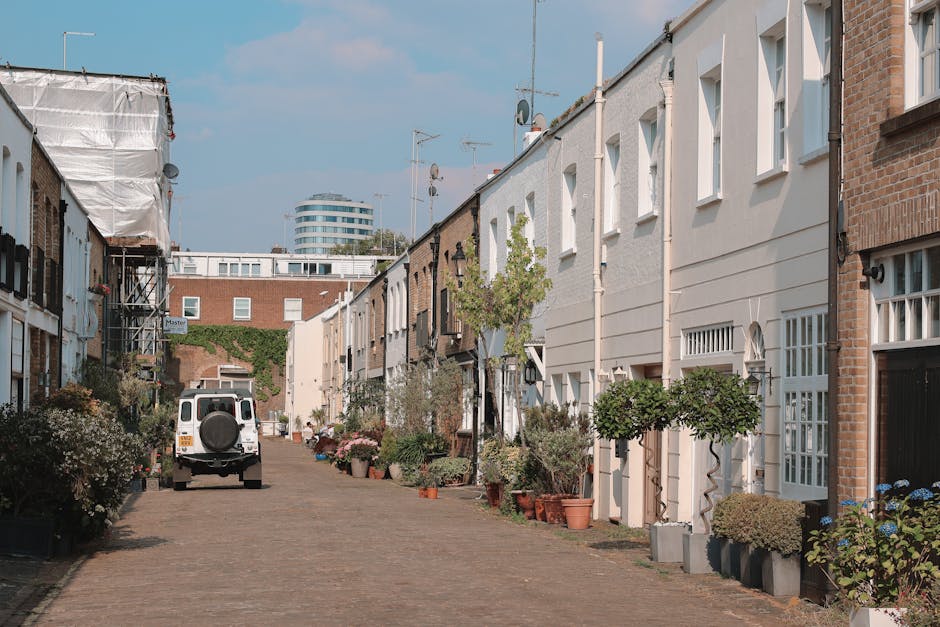
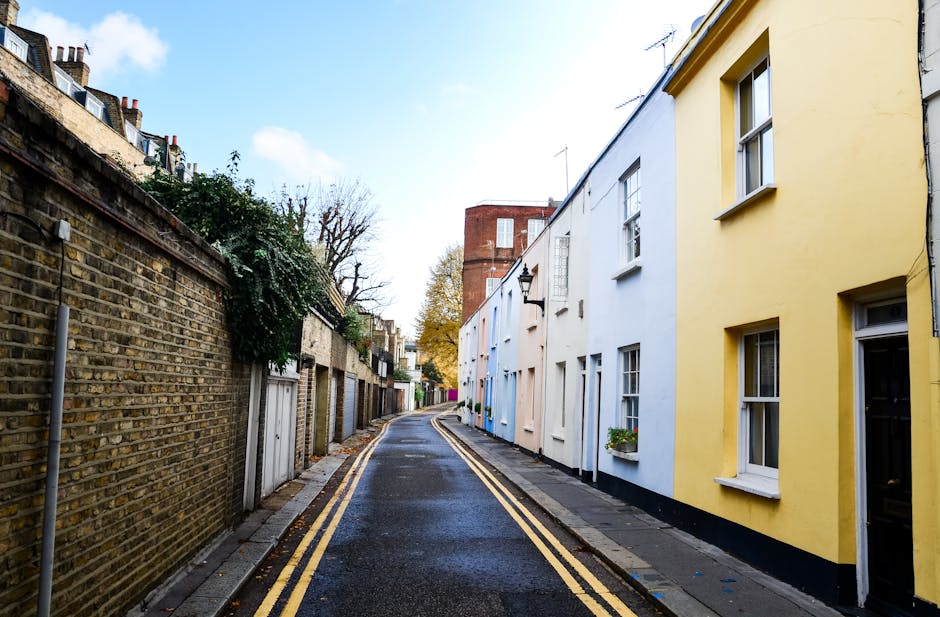
Upper Street and the surrounding Islington streets have a character all their own: period conversions, mansion blocks, maisonettes above shops, and flats tucked behind front doors that were clearly designed in a different century. That charm is part of the appeal. It is also exactly why narrow access becomes such a practical problem during a move.
When access is tight, every part of the job takes longer. A wardrobe that would normally roll on a trolley may need to be carried by hand. A two-person lift might become a three-person turn. A removal van may have to park further away than planned, which adds walking time and increases handling risk. None of this is dramatic on its own, but together it can throw off the whole day.
For people moving within N1, the issue is usually less about volume and more about geometry. Can the mattress turn on the landing? Will the banister interfere with the sofa? Is the stairwell cramped enough to require a split load? Will the van be able to stop close enough to the entrance without causing trouble? These are the small questions that decide whether a move feels calm or chaotic.
And yes, neighbours matter too. On a busy stretch like Upper Street, you are often balancing your own timetable with loading restrictions, foot traffic, delivery vans, and the general pace of London life. The move needs to fit around the street, not the other way round. That is why narrow-access removals are worth planning properly from the start.
If you are exploring the local area as part of your move, the local guides on Islington's neighbourhood character and what it is like to live in Islington can also give useful context for the kind of buildings and streets you may be dealing with.
How Upper Street flat removals tips for narrow access Works
The basic idea is simple: reduce friction before moving day. In practice, that means measuring, sorting, packing, and planning the route so that large items can leave the flat with the fewest possible turns, lifts, and surprises.
With narrow access, the job usually starts before the van arrives. A careful move plan will consider:
- the width of stairways, doors, and landings
- the size and shape of key furniture
- the distance from the front door to the loading point
- parking availability and traffic flow
- whether items need dismantling before removal
- how many people are needed to carry safely
That is the practical side. There is also a judgement call. A good mover does not just ask, "How much stuff is there?" They ask, "How will it leave the property?" That one question changes everything. Sometimes a small van and extra carrying time is better than forcing a larger vehicle into a difficult spot. Sometimes it is worth doing two shorter trips rather than one rushed one. Sometimes the smartest thing is to empty the hallway first so the heaviest item can move cleanly.
If you are comparing approaches, a dedicated removal van in Islington can be ideal where access is awkward but manageable, while a more flexible man with a van service often suits smaller flats, light loads, or moves where parking and stair access require a lighter touch.
One thing people sometimes overlook: the move path inside the property matters just as much as the street outside. A metre of extra hallway clutter can be enough to stop a wardrobe turning safely. Clear the route early. It sounds obvious, but on move day obvious things have a habit of disappearing in the rush.
Key Benefits and Practical Advantages
Handling a narrow-access flat move well is not just about avoiding problems. It creates real, practical benefits that you will feel immediately on the day.
- Less damage risk: Fewer awkward turns mean fewer scuffs on walls, door frames, and furniture.
- Faster loading: A clear plan reduces faffing about in stairwells and on the pavement.
- Safer lifting: Planned routes lower the chance of strain, slips, and sudden drops.
- Better time control: You spend less of the day reacting and more of it moving.
- Less stress for neighbours: Quicker, tidier loading is usually kinder to everyone in the building.
There is also a financial side, even if it is indirect. If the move is organised well, you are less likely to need extra labour time, repeat journeys, or last-minute problem solving. Not every saving shows up as a line item, but you feel it in the overall experience.
For people moving with larger or awkward pieces, this becomes even more noticeable. If you have a bulky wardrobe, a heavy desk, or a fragile piece that needs special handling, looking at furniture removals in Islington can be a smart next step. The right approach to furniture makes narrow access much less painful, to be fair.
And for anyone who needs boxes, wrap, or a better packing plan, the support available through packing and boxes in Islington can help you reduce the number of items that need awkward handling in the first place.
Who This Is For and When It Makes Sense
This guide is for anyone moving from a flat on or near Upper Street where the access is a bit tight, a bit old-fashioned, or plain inconvenient. That might be:
- someone in a top-floor conversion with steep stairs
- a renter moving out of a compact one-bed flat
- a student with a modest load but awkward access
- a couple moving from a period property with narrow hallways
- a person with one or two large items that need careful handling
- anyone moving on a day with limited parking or restricted stopping space
It makes sense whenever the route matters as much as the load. If your sofa can make it out only by a very specific angle, or if the bed frame has to be dismantled to get down the stairs, you are in narrow-access territory whether you like the label or not.
It also makes sense if you are short on time. People often reach for a same-day solution only after realising the move is bigger than expected. That is where a service like same-day removals in Islington can be useful, especially if access issues have made the job more complex than planned.
One small but real sign you need this advice: if you are standing in the hallway thinking, "Hmm, that doesn't look like it will turn," then it probably won't. Better to plan now than wrestle with it later. I've seen that moment enough times to know it usually ends the same way.
Step-by-Step Guidance
Here is a practical way to handle a narrow-access flat move on Upper Street without overcomplicating it.
- Measure the awkward bits first. Check door widths, stair widths, landings, lift dimensions if relevant, and any tight corners. Measure large furniture too, not just the flat.
- Identify the "problem items". Sofas, wardrobes, mattresses, fridges, desks, and glass pieces are the usual suspects. Mark them early.
- Dismantle what you can. Flat-pack furniture, bed frames, table legs, and shelving often travel better in smaller parts.
- Pack for handling, not just for storage. Use strong boxes, fill gaps, label clearly, and keep heavy items in smaller boxes rather than one heroic monster box. Heroic boxes are rarely a good idea.
- Create a clear exit route. Hallways, entrances, and any shared areas should be clear before the team starts moving items.
- Plan parking and unloading. On busy roads, the van may need to stop where it is legal and practical, even if that is not directly outside the door.
- Load in the right order. The most awkward items usually go first or last depending on the layout, so the mover can control the sequence properly.
- Keep essentials separate. Documents, keys, chargers, toiletries, and one kettle box should not disappear into the back of the van.
- Leave breathing room. A move gets messy when every corner is packed to the limit. A little space makes handling safer.
If you are still in the early planning stage, it can help to read the pricing and quotes guidance so you understand how access, labour, and vehicle choice may affect the overall job. That way, you are not comparing apples with oranges.
And if your move is part of a bigger life change, such as buying or preparing to buy nearby, the articles on Islington property buying tips and buying real estate in Islington can help you think beyond move day itself.
Expert Tips for Better Results
A few small decisions can make a narrow-access move feel much easier. These are the ones that tend to matter most in real life.
1. Photograph the access route. Take quick photos of the staircase, front door, any tight turns, and the pavement outside. They help the mover understand the space before arrival, which is especially useful if you are coordinating remotely.
2. Use the right boxes for the right objects. Books go in smaller boxes. Clothes can usually take larger boxes. Heavy mixed boxes are where backs start complaining. Nobody needs that.
3. Remove anything that catches. Door hooks, loose mats, coat stands, and hallway clutter can all snag a move at the worst moment. A clear path saves more time than people expect.
4. Think vertically. Stacked boxes may look tidy, but if they block a landing or staircase, they become part of the problem. Keep walkways open.
5. Make a plan for awkward items before moving day. If a sofa will not clear the stairs, decide whether it should be dismantled, tilted, or handled by a specialist team. Do not leave it as a last-minute debate in the corridor.
6. Keep communication simple. One person should direct the move at any given time. Too many instructions at once can make everyone slower. A short pause is better than a rushed mistake.
7. Build in a bit of slack. London streets are busy, people are walking past, and access can change quickly. A few extra minutes in the plan can save a lot of stress later.
It is also worth checking whether the team you are using follows sensible handling and safety practices. You can review insurance and safety information and the health and safety policy for a clearer picture of how a professional approach should look.
Small detail, big difference. That is really the whole game here.
Common Mistakes to Avoid
Narrow-access removals go wrong in very predictable ways. The good news is that most of them are avoidable.
- Not measuring anything properly. Guessing the width of a stairwell is risky. A tape measure is less glamorous, but far more useful.
- Leaving dismantling too late. If a bed frame needs to come apart, find out before the van is at the door.
- Overpacking boxes. Heavy boxes are slower to carry and more likely to split.
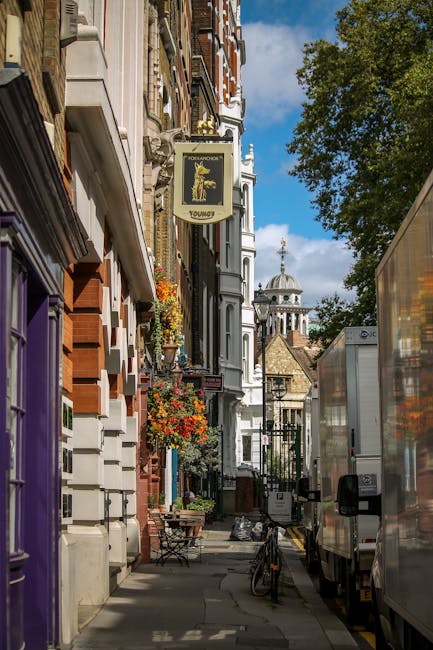
- Ignoring parking reality. A legal parking space may not be right outside your flat. Plan for the actual street, not the ideal one.
- Blocking shared areas. Hallways, landings, and entrances need to stay clear.
- Forgetting building rules. Some blocks have booking times for lifts or restricted move windows. Always check.
- Assuming one van size fits all. Bigger is not always better on a tight London street.
A common mistake in Upper Street moves is to assume the problem is only the stairs. In reality, the stairwell, street, van position, and timing all work together. If one of those fails, the whole process slows down. A bit annoying, yes. But manageable.
If you are moving out of a smaller property, especially around student or starter-flat setups, the approach used in student removals in Islington can be helpful because it often prioritises compact loads, flexible timing, and quick access planning.
Tools, Resources and Recommendations
You do not need specialist kit for every move, but the right tools make a narrow-access job much easier. The basics are usually enough.
| Tool or resource | Why it helps | Best used for |
|---|---|---|
| Measuring tape | Checks doors, landings, furniture and van gaps accurately | Planning awkward items and routes |
| Furniture blankets | Protects wood, painted surfaces and corners | Sofas, tables, wardrobes |
| Ratchet straps or ties | Helps keep items stable in transit | Van loading and secure transport |
| Small and medium boxes | Prevents over-heavy packing | Books, kitchen items, mixed household goods |
| Furniture tools | Allows quick dismantling and reassembly | Beds, desks, shelving, flat-pack items |
| Route photos on your phone | Gives a clear visual of access constraints | Remote quoting and planning |
It can also help to read through a provider's wider support pages before booking. For example, removal services in Islington gives a broader view of what help may be available, while removals in Islington is useful if you want to compare the overall moving options rather than one narrow service type.
If sustainability matters to you, there is value in checking the recycling and sustainability approach too. It is often easier to reduce waste before the move than to deal with it after the flat is empty.
Law, Compliance, Standards, or Best Practice
For a flat move on Upper Street, the main compliance issues are usually practical rather than legal drama. The key areas are parking, access, safe handling, insurance, and building rules. You do not need to become a traffic law expert overnight, but you do need to avoid creating a problem for yourself or the street.
Here are the main best-practice points to keep in mind:
- Parking and stopping: Make sure the van is positioned legally and safely. If a bay, loading area, or waiting restriction applies, plan around it.
- Shared access: Flats in converted buildings often have communal stairwells or entrances. Keep them clear and avoid damage.
- Manual handling: Heavy or awkward lifts should be planned properly. If something is too large or unstable, split it down or get help.
- Insurance: A professional removal setup should have appropriate cover and a clear process for handling incidents.
- Building management rules: Some blocks require notice, move bookings, or lift protection. Always check first.
Best practice also means keeping everyone informed. If neighbours need a heads-up, give one. If a stairwell is narrow, say so. If an item is fragile or unusually heavy, flag it. Clear communication sounds basic, but it is usually the difference between a tidy move and a messy one.
If you want reassurance around the business side, pages like about us, payment and security, and the site's terms and conditions can help you understand how a provider works before you book. That kind of transparency matters.
Options, Methods, or Comparison Table
Not every narrow-access move needs the same solution. The best option depends on the size of the flat, the furniture involved, and how tight the access really is.
| Method | Best for | Pros | Trade-offs |
|---|---|---|---|
| Man and van | Smaller flats, lighter loads, flexible moves | Often quicker to arrange, adaptable on tight streets | May need more handling time if the access is very restricted |
| Dedicated removal van with crew | Larger loads or awkward furniture | More support, better for stairs and bulky items | Needs more planning and can be less ideal for tiny access points |
| Partial dismantling before move | Furniture that will not turn easily | Makes items safer and easier to carry | Requires tools and time beforehand |
| Two-stage loading | Very tight entrances or awkward parking | Improves control and reduces congestion | Can take longer overall |
For many Upper Street flats, the answer is a combination of methods rather than one perfect setup. A small vehicle, careful dismantling, and a well-timed load-out often beat a more ambitious plan that looks efficient but falls apart at the front door.
If you are moving a treasured or especially awkward item, such as a piano or large antique, specialist handling may be more appropriate. A dedicated piano removals service in Islington is a better fit for those pieces than trying to squeeze them through a narrow hallway and hoping for the best. Hope is not a method, sadly.
Case Study or Real-World Example
Picture a typical Upper Street move: a second-floor flat above shops, one narrow staircase, a sofa that just about cleared the old flat but now looks suspiciously large, and a loading space that is a few doors down the road. Nothing extreme. Just enough to make the day interesting.
The move works best when the resident sorts items into three groups before the van arrives:
- Immediate carry items: boxes, bags, small kitchen goods, coats, and essentials
- Medium items: chairs, bedside tables, lamps, and smaller furniture
- Problem items: sofa, bed frame, wardrobe, mirrors, and anything awkward or fragile
In a real narrow-access move like this, the biggest time-saver is usually the sofa plan. If it can be carried on its end, wrapped properly, and guided by someone who knows the route, the move suddenly becomes much easier. If it needs dismantling, that decision should be made before anyone starts sweating on the stair landing. By mid-morning, you want motion, not debate.
What tends to happen next is simple: the hallway clears, the boxes go first, the large furniture follows, and the van is loaded in a calm sequence rather than in a panic. The move still takes effort, but it feels controlled. That is the difference narrow-access planning makes.
For moves that need a little extra local flexibility, you might also find the nearby Angel Station moving guide helpful, especially if your route or parking plan crosses similar central-Islington streets.
Practical Checklist
Use this checklist the day before and again on the morning of the move.
- Measure the widest furniture and the tightest access points
- Confirm van size and parking plan
- Check for lift bookings or building move rules
- Dismantle beds, tables, and shelving if needed
- Pack heavy items into smaller boxes
- Label boxes clearly by room
- Clear hallways, entrances, and stair landings
- Protect fragile furniture with blankets or wrap
- Keep valuables and essential documents separate
- Tell neighbours if the move could affect shared access
- Have keys, phone, and payment details ready
- Leave a little time buffer for traffic or street constraints
Quick summary: measure first, pack lightly, clear the route, and match the vehicle to the access. That simple formula prevents a lot of avoidable stress.
Get a free quote today and see how much you can save.
Conclusion
Upper Street flat removals with narrow access are perfectly manageable when you treat the access like part of the move, not an afterthought. That means measuring properly, packing with handling in mind, choosing the right vehicle, and being honest about awkward furniture before moving day arrives.
The best moves in tight London properties are usually the quiet, well-planned ones. No drama, no improvised wrestling with a sofa on the landing, no last-minute panic about parking. Just a clear route, sensible decisions, and a team that understands how central Islington properties actually work.
If you are still weighing up your options, explore the relevant service pages, read a few local guides, and choose a setup that feels realistic for your building and your timetable. A calm move is not luck. It is usually a bit of preparation, and a bit of common sense. Not glamorous, but it works.