Furniture Pick-Up in Islington
Reliable local help for unwanted furniture, bulky items, and room clearances
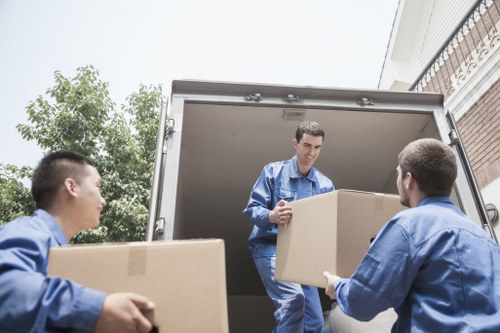
If you are looking for Furniture Pick-Up in Islington, you probably want one simple thing: for heavy, awkward furniture to be removed without stress, without damage to the property, and without wasting your day trying to organise vans, lifting help, or multiple trips to a tip. That is exactly why a local furniture collection service matters. In a busy part of North London like Islington, where homes, offices, shops, and shared buildings all sit close together, a flexible pick-up service can save a lot of time and effort.
Whether you are clearing a flat in Angel, emptying a spare room near Highbury & Islington, replacing office desks in Clerkenwell, or getting rid of a sofa from a top-floor apartment in Canonbury, local furniture removal needs to be handled with care. Narrow staircases, controlled parking zones, lift access, and busy roads can make even a simple job more complicated than expected. A local team understands those conditions and can plan the collection properly.
Furniture pick-up is not only for people moving house. It is also useful when you are redesigning a room, managing a tenancy changeover, updating office interiors, or clearing a property after years of accumulated items. Strong planning, careful lifting, and sensible timing all make a difference. If you need an efficient collection arranged around your schedule, this service is designed to help.
Why local furniture collection matters in Islington

Islington has a mix of property types that can make furniture removal more demanding than in areas with wider roads and easier access. You may be dealing with Georgian terraces, mansion blocks, modern apartments, converted warehouses, council estates, or commercial premises along busy high streets. Each setting brings its own access challenges, especially when there are stairs, shared entrances, tight corners, or limited loading space.
A local provider that regularly works in the area is better prepared for these conditions. For example, a furniture pick-up in Islington may need to be timed around school runs, traffic pressure on major routes, or restrictions in controlled parking zones. A team familiar with the borough can arrive ready to manage access carefully and complete the collection with less disruption to neighbours, building managers, or business operations.
There is also a practical advantage for customers. A nearby team can often respond more quickly, give more accurate expectations about the amount of space needed in a van, and advise whether items can be removed in one visit. For many customers, that reassurance is just as valuable as the removal itself.
Local knowledge matters because furniture collections are rarely just about lifting an object. They involve navigating the building, protecting walls and floors, coordinating arrival times, and understanding how to work in a built-up urban environment. That is where a furniture pick-up service in Islington becomes more than a convenience; it becomes a practical solution.
What can be collected?
Common household furniture items
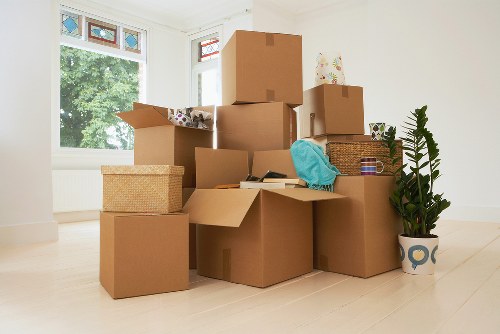
Most furniture pick-up requests involve one or more bulky household items that are difficult to move alone. A local removal team can typically collect a wide range of items, including:
- Sofas, armchairs, recliners, and sofa beds
- Beds, mattresses, bed frames, headboards, and wardrobes
- Dining tables, chairs, sideboards, and cabinets
- Bookcases, shelving, coffee tables, and bedside units
- Office chairs, desks, filing units, and reception furniture
- Garden furniture, patio sets, and outdoor storage items
- Occasional items such as stools, dressing tables, and TV stands
Many residents also ask for help with mixed loads. This might include a sofa and a mattress, several chairs, or a bedroom set that needs to be removed all at once. Combining items into one collection is often the easiest approach, especially if you are preparing a flat for sale, replacing furniture after a renovation, or clearing a property between tenants.
In busy households, furniture can build up over time. A guest bed that is no longer used, a wardrobe that does not fit your new layout, or office furniture left over after a move can quickly take up valuable space. Furniture collection in Islington helps you clear these items efficiently and get your rooms back for everyday use.
Services for homes, landlords, and businesses
Domestic furniture pick-up

For homeowners, tenants, and shared households, furniture pick-up is often about making space fast. You may be upgrading a sofa, clearing a bedroom before a move, or removing furniture after a refurbishment. In Islington, where flats and maisonettes often have limited storage, getting bulky pieces out of the way can make a major difference to how usable your home feels.
Domestic collections are especially helpful for people living in upper-floor properties, where carrying large furniture down stairs is difficult or unsafe without assistance. A professional team can manage the lifting, loading, and transport so you do not need to coordinate friends or rent equipment. This is particularly useful in older buildings where stairwells can be narrow and furniture may need to be dismantled before removal.
Landlords and letting agents also rely on furniture pick-up when tenants leave items behind or when a property needs to be prepared for the next occupant. Clearing unwanted furniture quickly can help keep void periods shorter and ensure the space is presentable for viewings or maintenance work.
Commercial furniture removal
Businesses in Islington often need an efficient way to remove office or retail furniture without interrupting daily operations. Offices may need desks, chairs, cabinets, and meeting tables removed during a fit-out or relocation. Shops, studios, and hospitality venues may need seating, shelving, counters, or display units collected when layouts change.
Commercial customers usually need timing that fits around opening hours, deliveries, or building access rules. A local furniture collection service can work with those constraints more easily than a distant provider. If your business is based near Upper Street, Camden Passage, Angel, King’s Cross border areas, or the Clerkenwell edge of the borough, local responsiveness can be a real advantage.
How the service works

Furniture pick-up should feel straightforward. The process is usually simple, but it helps to know what to expect before booking. While every job is different, most collections follow a practical pattern that keeps things organised and efficient.
- Tell us what needs collecting. Share the furniture type, quantity, and whether anything must be dismantled first.
- Discuss access details. Mention stairs, lifts, parking restrictions, loading bays, or narrow entrances so the collection can be planned properly.
- Arrange a suitable time. Choose a time that works for your home, tenancy, or business schedule.
- Prepare the items. Move smaller objects away if needed and make sure the furniture can be reached safely.
- Collection and loading. The team removes the items carefully, taking care around walls, floors, and communal areas.
- Transport and disposal. Items are taken away for appropriate handling, with recycling and reuse considered where possible.
This process is designed to reduce the amount of effort on your side. You do not need to hire a van, recruit helpers, or spend your day figuring out where each item will go. Instead, the furniture is collected in one organised visit.
For many customers, the biggest benefit is peace of mind. Knowing the collection is arranged properly means you can focus on the rest of your day, whether that means preparing for a move, finishing a workday, or simply enjoying a less cluttered home.
What is included in a professional pick-up?
The practical parts that make a real difference
A good Islington furniture pick-up service is about more than just turning up with a van. It should provide the practical support needed to get bulky items out safely and efficiently. Depending on the job, this can include:
- Careful lifting and carrying by a trained team
- Removal from flats, houses, offices, shops, and shared buildings
- Loading from ground floor or upper-floor locations
- Basic dismantling where appropriate and agreed in advance
- Attention to access routes, hallways, and stairwells
- Responsible handling of items once collected
Customers often appreciate when the team takes the time to protect the property during the removal. That may mean being careful with door frames, using sensible carrying techniques on staircases, or planning the order of removal so the biggest item is not dragged through a tight space. These small details matter, especially in older buildings and managed apartment blocks.
You may also want the service to be flexible if your collection changes slightly on the day. In real life, that happens often. A wardrobe may be too large to carry intact, a mattress may need more than one person to move safely, or a second item may be added once you realise there is room in the van. A local team can usually adapt more easily when jobs are simple and communication is clear.
When comparing providers, look for a service that feels practical, well organised, and respectful of your home or workplace. That is usually the best sign that your collection will be handled efficiently from start to finish.
Preparing for furniture collection
A short checklist for a smoother visit
Preparing in advance can make the furniture removal quicker and easier for everyone involved. You do not need to do everything yourself, but a few simple steps can reduce delays and help the team work safely.
- Make sure the items to be collected are clearly identified
- Remove personal belongings, books, paperwork, and valuables from furniture
- Clear a path from the item to the exit if possible
- Let the team know about any lifts, codes, or access rules in advance
- Check whether parking or loading restrictions apply outside your property
- Measure large items if you are unsure about access through doors or staircases
If you live in a flat, it can also help to warn neighbours or building management if furniture needs to be carried through shared spaces. This is not always necessary, but for larger removals it can make the process feel smoother and more considerate in busy communal buildings.
For businesses, preparation may mean reserving a loading bay, informing staff about the collection time, and making sure the furniture area is accessible before the team arrives. A little planning can prevent last-minute complications and keep disruption to a minimum.
Tip: if you are not sure whether a particular item can be removed easily, mention it when you enquire. Photos or a short description can help the collection be planned more accurately.
Pricing factors to understand before you book
What affects the cost of furniture pick-up?
People often want to know what influences the price of a furniture pick-up in Islington. While exact costs vary by job, several common factors usually affect the final quote. Understanding these helps you plan more confidently and compare services fairly.
- Type and volume of furniture: a single chair is different from a full bedroom set or office fit-out.
- Access conditions: stairs, long carries, basement flats, and tight entrances may add complexity.
- Time required: larger jobs or dismantling needs can take longer.
- Parking and loading: difficult parking or restricted access can affect how the service is scheduled.
- Mixed collections: furniture combined with other bulky household items may need a broader removal plan.
The most helpful approach is usually to request a quote based on the actual items and the property conditions. A clear description of the furniture, along with the floor level and any access limitations, makes it easier to provide an accurate estimate. That is especially important in Islington, where two properties on the same street can have very different access challenges.
Be cautious of vague pricing that does not explain what is included. A reliable local service should help you understand the main factors before you book, so there are fewer surprises on collection day. Clarity matters when you are trying to organise a time-sensitive clearance.
Why choose a local company for furniture pick-up in Islington?
Local knowledge, faster coordination, and better access planning
Choosing a local company brings practical benefits that are easy to feel on the day of the collection. Local teams understand the pace of the area, the kinds of properties customers live and work in, and the common access challenges that can slow things down. That knowledge helps them arrive prepared.
In Islington, this often means knowing how to handle controlled parking zones, busy roads, service entrances, and residential blocks where access needs to be organised in advance. It also means understanding that some collections need to be quick and discreet, especially in busy shared buildings or premises with customers on site.
A local team may also be more flexible if you need a collection arranged around moving dates, tenancy handovers, or business changes. Rather than forcing your schedule to fit a generic service, a nearby provider can often work more naturally with your timing. That is a major advantage when dealing with property management, end-of-tenancy deadlines, or refurbishment work.
There is also the advantage of accountability. When the team works regularly in the same neighbourhoods, they are more likely to value clear communication and punctual service, because local reputation matters. For customers, that often translates into a smoother, more dependable experience.
Areas covered across Islington and nearby neighbourhoods
Where furniture collection is commonly arranged
Furniture pick-up requests come from across the borough and the surrounding parts of North and Central London. Customers often need help in areas such as:
- Angel
- Highbury
- Highbury & Islington
- Canonbury
- Barnsbury
- Holloway
- Tufnell Park edges
- Clerkenwell border areas
- King’s Cross-adjacent streets
- Finsbury Park borders
- Upper Street and surrounding residential roads
- Old Street fringe areas
These are places where a local service can really make a difference, because the buildings and access patterns are varied. Some customers live in compact flats above shops. Others are in larger family homes, converted terraces, or newer developments with concierge or entry controls. Businesses may be located in offices, studios, or mixed-use premises where collections need to happen efficiently and with minimal disruption.
If your property is slightly outside the central Islington area, it is still worth asking. Furniture collections are often arranged across the surrounding neighbourhoods where access is manageable and the job is within the local service area. The most important thing is to describe the collection clearly so the team can confirm whether it can be handled in one visit.
Furniture pick-up for different situations
Moving, downsizing, renovating, or clearing a property
There are many reasons people need furniture removal, and each one comes with its own timing and pressure. A service should be adaptable enough to handle those situations without making the process more difficult.
House moves: If you are relocating within Islington or further afield, you may need old furniture removed before completion or just after moving day. Clearing bulky items early can make packing and loading easier.
Downsizing: Moving to a smaller property often means some furniture no longer fits. A pick-up service helps remove what you cannot keep, making the new home feel organised from the start.
Renovations: During decorating or refurbishment, large furniture can get in the way. Temporary removal can protect the items and free up the room for tradespeople.
End of tenancy: When tenants leave furniture behind or simply need a rapid clear-out before inspection, a prompt local service is especially useful.
Commercial changes: Offices, retail spaces, and studios regularly change layout. Clearing old items quickly helps the business move on to the next stage without unnecessary delay.
Responsible handling and reuse-minded disposal
What happens after collection?
Many customers ask what happens once furniture is collected. While the exact handling depends on the condition and type of item, the aim is generally to sort things appropriately and avoid unnecessary waste. Items in usable condition may be suitable for reuse or redistribution, while damaged pieces may need recycling or specialist disposal routes.
This matters because furniture is often bulky and difficult for residents or businesses to dispose of on their own. If items are collected responsibly, it helps keep clutter out of hallways, bin stores, and streets, which is especially important in densely populated areas like Islington.
Customers do not usually want to think about the details once the furniture is gone; they want the space back and the job completed properly. Still, it is reassuring to know that the service does not treat everything as the same type of waste. Good handling means the collection is done with care from the moment the item leaves your property.
Frequently asked questions
Common questions from local customers
Do I need to move the furniture outside before collection?
Usually, no. In most cases, the team can collect furniture from inside your property, provided access is safe and clearly described in advance. If you are able to move smaller items, that can help, but it is not generally required.
Can furniture be collected from a flat or upper floor?
Yes, upper-floor collections are common in Islington. Stairs, lifts, and shared entrances are all part of everyday local work. It helps to mention the floor level and any access restrictions when booking.
What if my furniture needs dismantling?
Some large items may need to be taken apart before removal. If that is likely, mention it when requesting your quote so the team can advise on the best approach.
Can you collect one item?
Yes, single-item collections are often requested, especially for sofas, mattresses, or wardrobes. Whether it is one piece or several, the service can usually be arranged to suit the size of the job.
How far in advance should I book?
It is best to book as soon as you know the collection date you need, particularly if you are working around a move-out deadline, tenancy change, or office schedule. Local availability can vary depending on the day and size of the job.
What information should I provide when I enquire?
It helps to share the type of furniture, quantity, property floor level, access details, and whether parking is easy or restricted. The more accurate the information, the easier it is to plan the collection correctly.
Who this service is best for
Furniture pick-up in Islington is a useful solution for many different people. It is especially helpful if you are:
- A tenant clearing a flat at the end of a lease
- A homeowner replacing bulky furniture before a move
- A landlord preparing a property for new occupants
- A letting agent coordinating a quick turnaround
- A business owner clearing office or retail furniture
- A property manager dealing with leftover items after a tenancy or refurbishment
- Someone with limited time, limited lifting ability, or no suitable vehicle
Even if you only have a few items, getting them removed promptly can make a property feel more organised and usable. For larger jobs, the value is even clearer: professional support saves time, reduces strain, and prevents damage from trying to move heavy items without proper help.
That is why many customers prefer to book furniture removal locally rather than trying to solve the problem themselves. The service is practical, efficient, and suited to the realities of living and working in a busy borough.
How to get started
Book your furniture pick-up now
If you need a sofa removed, a bedroom cleared, or office furniture taken away in Islington, the easiest next step is to request a quote based on the items you have and the access at your property. That gives you a clear idea of how the collection can be handled and what the visit will involve.
Local furniture removal is most effective when the details are clear from the beginning. A short description of the furniture, along with your location in or around Islington, is usually enough to begin planning. If photos are available, they can be helpful too, especially for larger or awkward items.
Whether you are in Angel, Canonbury, Highbury, Barnsbury, Holloway, or one of the nearby streets and estates, a local team can help with a collection that fits your schedule and your property’s access conditions. Contact us today to arrange your furniture pick-up in Islington and take the next step toward a clearer, more usable space.
Request a free quote or book your service now if you are ready to get started. A well-planned collection can make a big difference, especially when bulky furniture is in the way and you want the job completed without hassle.