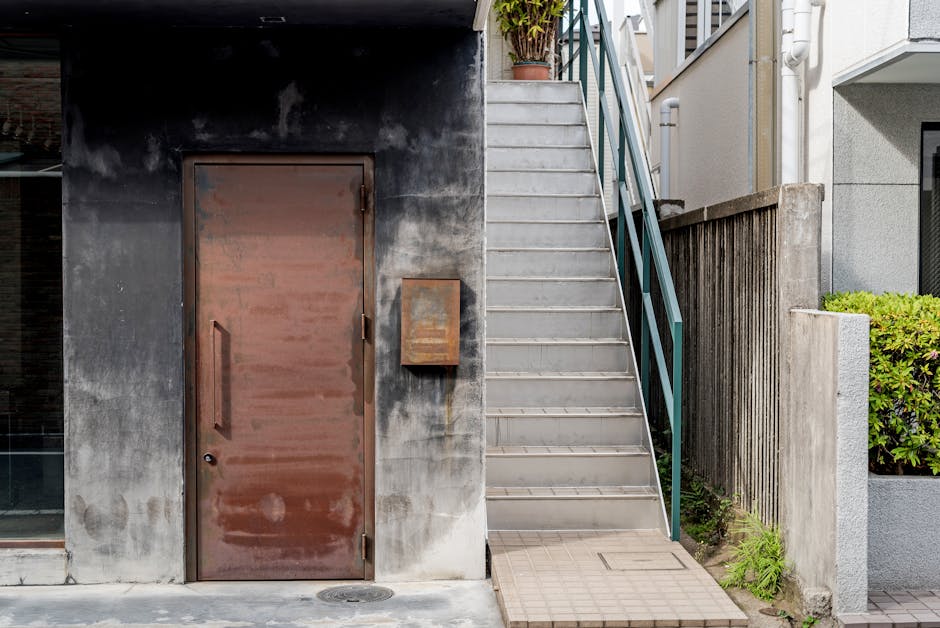
Tight stairs and access solutions for Islington removals
Anyone who has moved in Islington knows the same old story: a smart-looking flat, a lovely staircase, and just not enough room for a sofa to behave itself. Tight stairs and awkward access can turn a straightforward move into a slow, sweaty puzzle. That is exactly why the right approach matters. With the right planning, the right equipment, and a removals team that understands narrow halls, awkward turns, and basement or top-floor access, the day becomes much calmer.
This guide breaks down Tight stairs and access solutions for Islington removals in plain English. You will learn what the problem actually involves, how professional movers handle it, what to check before moving day, and which mistakes cost people time, money, and sometimes a bit of pride. Truth be told, it is usually the little details that save the day.
If you are comparing moving options, you may also find it useful to look at general removals services, man and van support, or home moving help depending on the size and complexity of your move.
Contents
- Why Tight stairs and access solutions for Islington removals Matters
- How Tight stairs and access solutions for Islington removals Works
- Key Benefits and Practical Advantages
- Who This Is For and When It Makes Sense
- Step-by-Step Guidance
- Expert Tips for Better Results
- Common Mistakes to Avoid
- Tools, Resources and Recommendations
- Law, Compliance, Standards, or Best Practice
- Options, Methods, or Comparison Table
- Case Study or Real-World Example
- Practical Checklist
- Conclusion
- Frequently Asked Questions
Why Tight stairs and access solutions for Islington removals Matters
Islington is full of homes and workspaces that look elegant from the outside but are not exactly designed with large furniture in mind. Narrow stairwells, sharp corners, split-level layouts, basement entrances, and upper floors with no lift are all common. If you have ever tried to turn a mattress on a half-landing while balancing a lamp, you already understand the issue.
Access is not just a convenience problem. It affects safety, speed, and whether your items arrive in one piece. A bulky wardrobe, a washing machine, or a solid oak dining table can be difficult even in a roomy house. In a tight staircase, those same items can scrape walls, chip paintwork, and strain the people carrying them. And nobody wants to start a new chapter with a dented bannister and a bad back.
This is why access planning is a proper moving task in its own right. It is not a side note. It influences the vehicle size, the number of movers needed, the order in which furniture comes out, and whether disassembly is essential. For some moves, the best decision is not forcing a bigger van or hoping for the best. It is choosing a better method from the start.
For people balancing budget and timing, it can also be sensible to check pricing and quote information early, so the access challenge is factored into the plan rather than discovered at the kerb on moving day.
How Tight stairs and access solutions for Islington removals Works
Good access solutions begin before the van even arrives. The process usually starts with a proper look at the property: the staircase width, the turn at each landing, ceiling height, front-door clearance, parking position, and whether any items need to be carried through communal areas. If there is a basement flight, a fire door, or a staircase that feels more suited to a staircase competition than a move, that gets noted too.
From there, movers decide how to handle the load. Sometimes the answer is simply careful carrying, good protective wrapping, and a strong team with the right lifting method. Other times, the move needs furniture to be partly dismantled, carried in sections, or protected with covers and straps. In rare cases, access may call for a smaller vehicle, staggered loading, or moving certain pieces at specific times to avoid clashes with neighbours, deliveries, or school-run traffic outside.
There is also a coordination side. In Islington, parking and loading space can be tight, so timing matters. If a van cannot get close enough to the entrance, the carry distance becomes longer and everything slows down. A short carry can become a long one very quickly, especially with awkward furniture. That is why a good access plan looks at both the property and the street.
Professionals will often build the plan around three practical questions:
- What can be safely moved intact?
- What should be dismantled before lifting begins?
- What route is safest from room to vehicle?
That sounds simple, but it saves a lot of trouble. A move handled this way feels less like improvisation and more like a sequence of sensible steps.
Key Benefits and Practical Advantages
When access is planned properly, the whole move feels more controlled. You are not just avoiding problems, you are reducing friction at every stage. That can make a real difference on a day that is already busy enough.
- Lower risk of damage: Less scraping, fewer knocks, and a better chance of keeping walls, banisters, and furniture in good condition.
- Better time management: A planned route and the right crew usually mean fewer delays at the property.
- Less physical strain: Tight stairs are demanding. Thoughtful handling helps protect both movers and customers.
- Smarter vehicle choice: Sometimes a smaller or more manoeuvrable vehicle is the better call than a larger one.
- Cleaner coordination: If dismantling, wrapping, and loading are arranged in the right order, the whole job feels tidier.
There is also a confidence benefit, and that matters more than people sometimes admit. When you know the stairs have been assessed, the furniture has been measured, and the team understands the building, you stop worrying about the sofa getting stuck halfway up the landing. That peace of mind is worth a lot.
If the move is more than a simple flat-to-flat job, it may help to look at house removals support or house movers for a more structured approach.
Who This Is For and When It Makes Sense
This kind of planning is useful for far more people than first-time movers in old terraces. In fact, it applies to a wide mix of homes and business premises across Islington.
You may need tight-stair access support if you are:
- moving into or out of a top-floor flat with a narrow staircase
- dealing with a basement conversion or split-level property
- moving heavy or oversized items such as wardrobes, beds, desks, or appliances
- working in a period building with awkward internal angles
- relocating an office with bulky furniture and shared entrances
- trying to move on a tight schedule with limited parking access
It also makes sense when you simply do not want to gamble. Let's face it, some items are not worth "just giving it a go." If a sofa has to be tilted, rotated, and coaxed down two flights of stairs while someone mutters measurements under their breath, that is usually the sign you should have planned the route in advance.
Commercial moves can face the same issue. If your premises has a narrow service stairwell, awkward loading bay, or internal corridor bottleneck, then a move through commercial moves or office removals may need a very different strategy to a standard domestic job.
Step-by-Step Guidance
Here is a practical way to handle access issues without turning the move into chaos.
1. Measure the problem properly
Start with the stairs, not the furniture. Measure the narrowest points, turning landings, head height, door frames, and any hallways that lead to the staircase. If there is a radiator, a banister curve, or a awkward protruding wall edge, note it. These small details are exactly where problems start.
2. Measure the furniture as it will actually be carried
Do not rely on a product page or a rough memory. Measure the item in its most awkward orientation too. A couch that fits on paper may still be a nightmare in reality once it has to turn on a landing. Same with beds, wardrobes, and large mirrors.
3. Decide what should be dismantled
Some items are easier and safer in sections. Bed frames, table legs, shelving, and some office desks often move better when partially taken apart. This is not about making life harder. It is about making the move possible.
4. Choose the right route
Sometimes the shortest route is not the best one. A side entrance, rear access point, or shared lobby may provide a cleaner line than the front stairs. On a busy Islington street, a slightly longer carry route can still be the safer option if it avoids a very narrow turning point.
5. Protect surfaces before lifting begins
Floor runners, blankets, corner guards, and door protection can save a huge amount of hassle. Even careful movers can graze paintwork when a heavy item swings wide on a stair turn. The aim is to reduce risk before anyone starts lifting.
6. Load in a controlled order
Begin with the items that are easiest to move, then deal with the larger pieces while the team has space and energy. If you leave the awkward item for the last lift of the day, everybody feels it. That is just how it goes.
7. Keep one person in charge of the flow
A move runs better when one person makes the call on timing, lifting, pauses, and route changes. Too many voices in a tight stairwell is not ideal. People start talking over each other, and suddenly the mattress is paused on the landing while everyone debates angles. Not helpful.
Expert Tips for Better Results
After enough moves, a few patterns become obvious. The people who have the smoothest day are rarely the ones with the fanciest packing tape. They are the ones who prepared for the awkward bits.
First tip: take photographs of the staircase, doors, and furniture before moving day. They help the moving team judge the route and spot likely pinch points faster than a vague description ever could.
Second tip: clear the landing and hall before the crew arrives. Shoes, plant pots, umbrella stands, and loose boxes seem small, but on a narrow staircase they become trip hazards.
Third tip: tell the movers about anything odd, even if it feels minor. A sticky front door, a low ceiling section, or a neighbour's railing sticking out slightly may sound irrelevant. It is not irrelevant once you are carrying a wardrobe at chest height.
Fourth tip: plan for the weather. A wet step or muddy threshold is much more awkward when people are carrying a heavy object. On a grey London morning, that matters more than you would think.
Fifth tip: if there is any doubt about a piece of furniture, ask about wrapping, dismantling, or alternative carrying methods early. It is much easier to solve before loading begins than while standing in a doorway.
For people who want extra help with preparation, packing and unpacking services can take a lot of pressure off the day, especially where fragile items or awkward boxes are involved.
Common Mistakes to Avoid
A lot of moving stress comes from avoidable assumptions. Here are the ones that most often cause problems.
- Assuming "it will probably fit." Probably is not a plan.
- Ignoring the landing turns. Straight stairs are one thing; turns are where furniture usually stalls.
- Forgetting building rules or shared access limits. Communal entrances can affect timing and route choices.
- Using the wrong vehicle size. Bigger is not always better if the street is narrow or parking is awkward.
- Leaving dismantling until moving day. That is a classic time sink.
- Not checking insurance and handling practices. In a tight stairwell, careful process matters a great deal.
The biggest one, though, is not communicating properly. If a mover thinks the move is simple but the staircase is actually a corkscrew of tight turns and half-doors, everybody loses time. A five-minute explanation before the job can save half an hour later. Maybe more.
Tools, Resources and Recommendations
You do not need specialist equipment for every move, but a few simple tools make tight access work much better.
- Measuring tape: essential for checking furniture and stair dimensions.
- Furniture blankets: helpful for protecting polished wood, corners, and doorframes.
- Straps and sliders: useful for controlled handling of larger items.
- Protective wraps: good for mirrors, table edges, and appliances.
- Floor protection: especially useful on painted stairs, polished floors, or communal hallways.
- Clear labels: make it easier to stage items and avoid confusion in a cramped property.
If you are comparing moving support options, professional movers, man with van, and man with van removal services can each suit different access and volume needs. The best fit depends on how much you are moving, how tricky the staircase is, and whether the job needs extra handling time.
For smaller clear-outs or one-off bulky items, a service like furniture pick up may be a practical option. It is often easier than trying to wrestle an old chest of drawers down a tight stairwell yourself. Common sense, really.
Law, Compliance, Standards, or Best Practice
Moving in a property with tight access does not usually involve complicated legal issues, but there are still sensible standards to follow. The most important one is basic health and safety practice: lifting carefully, using suitable equipment, keeping routes clear, and not forcing an item through a space that is too small.
Where there are communal areas, shared entrances, or building management rules, movers and residents should respect those arrangements. That can include keeping access routes open, avoiding unnecessary obstruction, and planning loading times so neighbours are not inconvenienced more than necessary. In London, this matters because space is already limited and goodwill can disappear quickly if a van blocks the wrong patch of road.
Insurance is another practical concern. If furniture or property could be at risk during a narrow carry, it is sensible to understand how the move is covered and what precautions are used. If you want a clearer overview of those safeguards, take a look at insurance and safety information and the company's health and safety policy. That is not box-ticking. It is just a sensible part of choosing the right mover.
If you are checking trust details more broadly, about the company is also worth reading so you understand who you are dealing with before the job starts.
Options, Methods, or Comparison Table
Not every access issue needs the same fix. The table below gives a simple comparison of common approaches.
| Method | Best for | Strengths | Limitations |
|---|---|---|---|
| Careful carry with protection | Furniture that fits with planning | Fast, tidy, low disruption | Still depends on stair width and turning space |
| Dismantling before movement | Large wardrobes, beds, desks | Often makes awkward items manageable | Takes extra time and tools |
| Smaller vehicle and staged loading | Busy streets, limited parking, narrow access | Easier to position, less street pressure | May require more trips |
| Extra mover support | Heavy or fragile items, steep stairs | Better control and safer handling | Costs more than a solo or minimal crew |
| Alternative access route | Basement flats, rear entrances, communal spaces | Can reduce stair strain dramatically | Needs advance checking and cooperation |
In practice, the best solution is often a blend of two or three methods. For example, a wardrobe might be dismantled, wrapped, and carried via a rear entrance using a smaller van for better street access. Simple on paper, but it works.
Case Study or Real-World Example
Consider a realistic Islington flat move: a third-floor apartment, narrow internal stairs, no lift, and a hallway that bends sharply at the top landing. The main furniture includes a bed frame, mattress, two shelving units, a sofa, a desk, and a washing machine.
The first instinct might be to send in extra hands and hope the sofa turns the corner. But a better plan starts with measurements. The bed frame is dismantled the night before. The shelving units are emptied so they are lighter. The washing machine is checked against the stair width and the front-door clearance. The sofa, which is the awkward one, is wrapped and assessed for the best angle before lifting starts.
On moving day, the team arrives with a vehicle that can be parked close enough to keep carry distances short. Floor and door protection are put in place early. The washing machine is moved first while everyone is fresh. The sofa is then taken carefully, with one person guiding the turn at the landing. Nothing dramatic happens, which is exactly the point.
The move is not glamorous. Nobody cheers when a mattress goes through a doorway at the right angle. But that boring little success is what saves your afternoon. And really, that is what good access planning is about: fewer surprises, fewer scrapes, less frustration.
Practical Checklist
Use this checklist before your move if tight stairs or limited access might be an issue.
- Measure the narrowest stair width, landings, and door frames.
- Measure large furniture in the orientation it will be carried.
- Check for lifts, basements, rear access, or alternative entrances.
- Clear hallways, stairs, and landings of loose items.
- Decide what must be dismantled in advance.
- Confirm parking or loading access close to the property.
- Protect floors, bannisters, corners, and doors.
- Tell the mover about any awkward turns, low ceilings, or shared entrances.
- Separate fragile items and label them clearly.
- Review insurance, safety, and service terms before the move.
If your move also involves a larger property changeover, you may want to compare house removalists, removal company options, and broader removal services to see what level of support suits your access conditions best.
Conclusion
Tight stairs are not just a nuisance. They are one of the main reasons a move can become slow, expensive, or physically risky if the planning is weak. The good news is that most access problems can be handled well with measurements, clear communication, the right equipment, and a mover who understands the shape of the building as well as the furniture.
If you are moving in Islington, the smartest thing you can do is treat access as part of the move itself, not a small detail to sort out later. Once that shift happens, the whole day gets easier. Less guesswork. Less tension. More control.
Get a free quote today and see how much you can save.
And if the staircase still looks intimidating, that is fine. A lot of them do at first glance. With the right plan, though, even a tight little landing can be handled properly, one careful step at a time.
Frequently Asked Questions
What counts as tight stairs in a removals context?
Tight stairs usually means a staircase that is narrow, steep, sharply turning, or awkward for large items to pass through safely. It does not have to be tiny to cause trouble. A decent-looking staircase can still be awkward once you add a sofa or wardrobe.
How do removals teams measure access problems?
They normally look at stair width, landing size, door openings, ceiling height, turning points, and the distance from the property to the van. Photos help too, especially if the staircase has an odd bend or a tight entrance hall.
Can a sofa or wardrobe be moved up or down narrow stairs?
Sometimes yes, but only if the dimensions, turning space, and carrying angle allow it. If not, the item may need dismantling or an alternative route. Forcing it is usually a bad idea.
Should I dismantle furniture before a move with tight access?
If the furniture is bulky, heavy, or likely to snag on turns, dismantling is often the safer option. Beds, shelves, and some table frames are common candidates. It saves time later, honestly.
Do I need a smaller van for narrow Islington streets?
Often a more compact or manoeuvrable vehicle makes the job easier if parking is limited or the street is tight. The best choice depends on both the property access and the amount of furniture being moved.
What if my flat is on a top floor with no lift?
That is very common in London and it usually just means the job needs better planning, extra care, and possibly more movers. Stair carries are manageable when the load is organised properly and the route is clear.
How early should I tell a mover about access issues?
As early as possible. Ideally before the booking is finalised. Early notice allows the mover to plan crew size, vehicle size, packing order, and any dismantling that might be needed.
Will tight stairs make my move more expensive?
They can, because the job may take longer or need extra labour and equipment. That said, clear planning can reduce the impact. Surprises on the day are usually what make costs creep up.
What protective equipment is useful for stair moves?
Furniture blankets, straps, corner protection, floor runners, and door guards are all useful. They help reduce knocks and keep the route safer for both the property and the movers.
Are there special rules for moving through communal hallways or shared entrances?
There may be building-specific rules, and in any shared space it is sensible to avoid obstruction and keep access clear. A good mover will factor that into the timing and route plan.
Is it better to use a man and van service or a larger removals team for tight stairs?
It depends on the amount of furniture and how difficult the access is. A smaller job may suit a man with a van, while more complex or bulky moves may benefit from a larger team or broader removal company support.
How can I make moving day less stressful when the stairs are tight?
Measure early, clear the route, dismantle what you can, and share honest details with the mover. That combination solves more problems than people expect. It also means fewer awkward pauses halfway up the stairs, which is a blessing in itself.