Islington moving rules, fines, permits for removals: a practical guide for a smoother move
If you are trying to make sense of Islington moving rules, fines, permits for removals, you are not alone. A move in North London can feel simple on paper, then suddenly turn into a puzzle of bay suspensions, narrow roads, timed restrictions, building access, and the worry that one small mistake could lead to a fine. Truth be told, that is usually where people get caught out.
This guide breaks the topic down in plain English. You will learn how local moving permits and parking rules tend to affect removals in Islington, what can trigger penalties, how to plan around access problems, and how to reduce stress on the day. We will also cover practical steps, common mistakes, and the kind of checks that help a move run cleanly instead of becoming a last-minute scramble.
Whether you are moving a flat near Upper Street, a family home in Highbury, or a small office in Angel, the same principle applies: the better the parking and access plan, the fewer surprises. And in a place like Islington, surprises can be expensive.
Why Islington moving rules fines, permits for removals matters
Moving day is already full enough. Boxes everywhere, someone asking where the kettle went, the van arriving earlier than expected, and the hallway somehow getting narrower right when you need it most. In that kind of rush, parking rules can be an afterthought. But in Islington, that afterthought can become the most expensive part of the move.
Local moving rules matter because removals often depend on temporary access to a very limited patch of kerb space. If the van is parked where it should not be, or if a permit or bay suspension has not been arranged correctly, you can run into a parking charge, a penalty notice, loading trouble, or a delay that ripples through the whole day. Even when no fine is issued, poor access can mean longer carrying times, extra labour, and more stress for everyone involved.
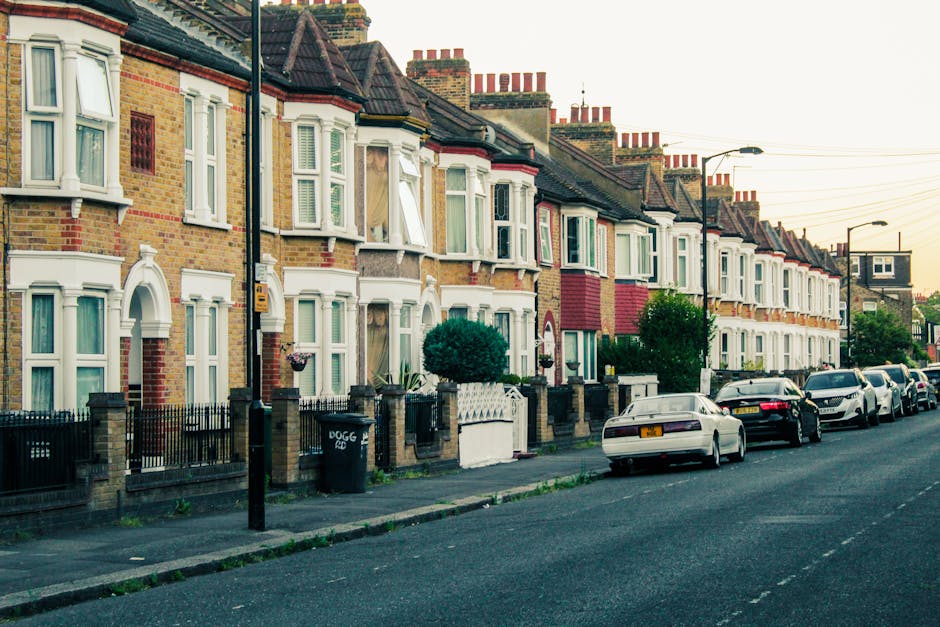
That is especially true in dense parts of Islington, where terraced streets, controlled parking zones, resident bays, busier high streets, school-run traffic, and tight turnaround spaces all compete for the same limited road space. The rules are not there just to make life awkward, to be fair. They are there to keep traffic moving and protect residents. But for a moving crew, they need careful handling.
Practical takeaway: if your removal job depends on street parking or loading close to the property, treat permits and parking restrictions as part of the move itself, not as an optional extra.
In our experience, the people who plan this early usually have the calmest move. The ones who leave it until the morning of the job are the ones standing on the pavement with a phone in one hand and a half-packed box in the other. Not ideal.
How Islington moving rules, fines, permits for removals works
At a practical level, the process is about matching your vehicle, timing, and loading needs to the local restrictions that apply outside the property. The exact rules depend on the street, the type of bay, the time of day, and whether you need to pause directly outside the address or nearby.
Most removal jobs in the area involve some combination of the following:
- checking whether the street has controlled parking or loading limits
- confirming if a bay suspension is needed for the moving van
- making sure the van can stop legally for loading or unloading
- planning access for stairs, lifts, entry codes, or narrow hallways
- allowing enough time so the crew is not rushed into a parking mistake
If a permit is needed, it is usually because the van must occupy a space that would otherwise be reserved, time-limited, or restricted. A permit does not magically make every stop legal anywhere on the street. It still needs to match the location, vehicle type, and timing of the move. That detail matters more than people think.
Fines can happen when a vehicle is parked in contravention of the local rules. That may include stopping in the wrong bay, overstaying a loading allowance, entering a restricted street at the wrong time, or failing to arrange the right parking permission in advance. The risk is not only the fine itself. Sometimes the bigger cost is the delay while the driver repositions the van or waits for a space to clear.
If you are comparing removal services, ask how they handle parking planning. A good operator should be able to talk through the access picture without sounding vague. You want someone who has clearly done this before, not someone who discovers the problem when the tail lift is already down.
Key benefits and practical advantages
Getting the permit and parking side right gives you more than legal peace of mind. It improves the move in ways you will feel immediately on the day.
- Less risk of fines: the obvious one, but still the big one.
- Smoother loading and unloading: shorter walking distances mean the team can work more efficiently.
- Better timing: less waiting around for a suitable space keeps the day on track.
- Lower physical strain: fewer long carries reduce the chance of dropped items and fatigue.
- Less stress for neighbours and building managers: a clean, organised move usually causes fewer complaints.
- More accurate quotes: when access is clear, removal companies can estimate labour and time more realistically.
There is also a quiet benefit that people do not always notice at first: better decision-making. Once you understand the parking and permit picture, you can decide whether a standard van is enough, whether a smaller vehicle makes more sense, or whether extra crew is needed for stairs and distance from the kerb.
That little bit of clarity can save real money. Not glamourous, no. But useful.
Who this is for and when it makes sense
This topic is relevant to anyone arranging a move in Islington where street access matters. That includes household moves, student moves, flat removals, office relocations, and furniture deliveries that need nearby loading space. It also matters if you are coordinating a move on a busy road where stopping briefly is not as simple as it sounds.
It makes particular sense in these situations:
- you live on a street with resident bays or limited waiting restrictions
- your building has no driveway or private loading area
- the property is on a narrow road with poor turning space
- you are moving during peak hours or a busy day of the week
- the removal van will need to stay close to the property for a while
- you are in a block of flats with stairs, lifts, or awkward access
If you are moving from a ground-floor property with easy access and private parking, the permit issue may be minimal. But if your move involves a top-floor flat, a steep staircase, or a street where every space seems already spoken for, then the rules become central to the plan.
For businesses, the stakes can be even higher. A delayed office removal can mean missed setup time, lost working hours, and frustrated staff waiting for desks, screens, and files. In those cases, parking and timing are not just logistics. They are part of continuity.
Step-by-step guidance
Here is a straightforward way to handle Islington moving rules, fines, permits for removals without losing your mind halfway through.
- Assess the property access early. Check the road width, available bays, nearby restrictions, stairs, lift access, and any loading points.
- Confirm what the vehicle will need. A small van, a medium removal van, or a larger truck can create very different parking needs.
- Identify the relevant parking restrictions. Look for resident bays, pay-and-display areas, single yellow lines, loading bays, and timed controls.
- Decide whether a permit or bay suspension is needed. If the van must occupy a space for a meaningful period, do not leave this to guesswork.
- Build the move around the restrictions. It may be easier to start earlier, shift the timing, or use a different vehicle size.
- Brief the removal team. Make sure the driver and crew know the access details, entry points, floor level, and any building instructions.
- Keep documents and confirmations handy. Permit details, booking notes, and contact numbers should be easy to find on the day.
- Plan for a fallback. If the exact spot is unavailable, think ahead about the nearest sensible alternative.
A small but important point: do not assume the same arrangement that worked for a neighbour will work for your move. Two doors down can mean a different bay, different timing, and different restrictions. Islington has plenty of those little variations, and they matter.
One more thing. If you are using a removal company, tell them the truth about the access. It is tempting to say, "It should be fine," because everyone wants to keep things simple. But a slightly awkward truth now is better than a costly surprise later.
Expert tips for better results
These are the practical habits that tend to make removals run more smoothly in busy London areas like Islington.
- Take photos of the street and the building entrance. A few phone pictures can help when discussing access, parking, or load-in distance.
- Measure the awkward bits. Stair widths, lift dimensions, and the distance from the property to the kerb can influence the vehicle choice.
- Choose timing carefully. Even a good street can become difficult during school-run hours, commuter peaks, or market-heavy periods.
- Use smaller vehicles where appropriate. A larger van is not always the smarter option in a tight area.
- Keep a simple access note. Floor number, entry code, contact name, and parking plan in one place. Old-fashioned, maybe. Effective, definitely.
- Allow a buffer. Five or ten minutes can disappear very quickly in a busy neighbourhood.
To be fair, removals are rarely perfectly tidy. There is always one box that seems to have vanished, or one item that turns up in the wrong room. But access problems are one area where you really can reduce chaos with a bit of preparation. That is the win.
If your move is in a location with especially tight access, it may also help to review the guidance on tight stairs and access solutions for Islington removals and the practical notes in Upper Street flat removals tips for narrow access. Those topics connect closely with the parking and loading side of the move.
Common mistakes to avoid
Most moving problems in this area are not dramatic. They are small, preventable errors that stack up. The good news is that they are easy to spot once you know what to look for.
- Leaving permit planning until the last minute. This is the classic one.
- Assuming loading is always allowed. Short-term stopping is not the same as unrestricted parking.
- Booking the wrong size vehicle. A van that is too large can create parking difficulty and extra carrying time.
- Not checking building access rules. Some flats and offices have managed entry or timed use of lifts.
- Ignoring school, traffic, or event pressure. Local congestion can change the best moving window.
- Failing to tell the removal team about restrictions. If they do not know, they cannot plan properly.
- Assuming the permit covers every scenario. It may not.
Another mistake is underestimating how long the load-in will take. People often think, "It's only a small flat." Then the sofa does not fit round the landing, the wardrobe needs dismantling, and the van ends up in a different bay while someone goes looking for a trolley. Happens all the time.
If you want a more detailed look at the kinds of delays people run into locally, the article on what to know about delays with Islington man and van is a useful companion read.
Tools, resources and recommendations
You do not need fancy software to plan a move well. A few basic tools and sensible habits go a long way.
- Phone camera: use it to document the street, the entrance, and any signs or restrictions.
- Notes app: store permit details, contact numbers, and the move schedule in one place.
- Measuring tape: useful for checking furniture dimensions and access points.
- Printed checklist: handy when your phone battery is low or buried under paperwork.
- Removal company guidance: choose a provider that discusses access and parking clearly, not vaguely.
For broader planning, it helps to review service pages that explain the kind of support available. For example, removals, man and van, home moves, and office removals can all help you compare the right kind of moving support for your situation.
If you are still deciding how formal you want the move to be, a quick look at pricing and quotes can help you understand how access, timing, and vehicle choice may affect the overall cost. Not every move needs the same setup, and that is fine.
Law, compliance, standards and best practice
Any discussion of fines and permits needs a careful note. Parking, loading, and moving rules can change depending on the specific street, traffic order, time band, and local restrictions in force at the time of the move. Because of that, it is best to treat this article as practical guidance rather than a substitute for checking the exact conditions that apply to your address.
Best practice usually means the following:
- check the local restrictions for the exact location, not just the wider area
- make sure the vehicle and the permit arrangement match
- keep any booking confirmations or permit details available on the day
- avoid parking assumptions based on what worked in a different street
- leave enough time to load safely and legally
For removal work, good compliance is not just about parking. It also means sensible lifting practice, safe loading, secure transport, and clear communication. That is why it can be helpful to review health and safety policy and insurance and safety pages when choosing who to trust with your move. These are not flashy details, but they matter when things get heavy, awkward, or tight for space.
There is also a practical sustainability angle. Planning properly can reduce unnecessary vehicle movement, repeated trips, and wasteful idling. If that matters to you, the page on recycling and sustainability is worth a look. Small choices add up.
Options, methods and comparison table
Different move setups create different levels of parking pressure. The table below gives a simple way to think about it.
| Move method | Typical parking pressure | Best for | Main watch-out |
|---|---|---|---|
| Small man and van | Lower to moderate | Light to medium household moves, single-room jobs | May require extra trips if volume is underestimated |
| Standard removal van | Moderate | Most home moves and some small office jobs | Needs careful loading-space planning in tight streets |
| Larger removal truck | Higher | Full-house or larger commercial moves | Harder to place close to the property in busy areas |
| Furniture-only collection | Variable | Single bulky items or short-distance pickup | Loading time may still trigger restrictions if not planned well |
The right choice is rarely just about size. It is about access, timing, and how long the van needs to stay in position. A slightly smaller vehicle can sometimes be the cleverer choice, especially where kerb space is limited and every minute counts.
If you are moving business stock or an office setup, it may also help to compare commercial moves with office relocation services. The right option depends on how much equipment, furniture, and downtime you can tolerate.
Case study or real-world example
Imagine a two-bedroom flat move near Angel Station. The property is on a busy street, there is no driveway, and the building entrance sits just far enough back that carrying boxes by hand would be irritating, to say the least. The move itself is straightforward: furniture, kitchen items, clothes, a couple of fragile boxes, and one very awkward lamp that seems determined to test everyone's patience.
The key challenge is parking. The removal team needs a place to stop close enough to keep carries short, but the street has controlled spaces and regular traffic. Rather than treating the parking issue as a side note, the client and the removal provider check access early, arrange the right permissions, and choose a sensible moving window before the road gets busier.
On the day, the van arrives with a clear plan. The crew knows where to load from, which entrance to use, and how long they can reasonably expect to stay in position. There are still a few normal moving-day hiccups, of course. A bin lorry appears. Someone cannot find the spare key. One box ends up with the wrong label. Still, the move stays on schedule because the parking and access plan was done properly.
That is the real point. The best removal jobs in Islington are not the ones with zero issues. They are the ones where the issues stay small.
Practical checklist
Use this before moving day. It is simple, but it catches a lot.
- Confirm the exact moving address and entrance
- Check street restrictions and loading limitations
- Decide whether a permit or bay suspension is needed
- Book the right size vehicle for the access available
- Tell the removal team about stairs, lifts, and entry codes
- Measure bulky furniture and tight corners
- Prepare parking, permit, and booking details in one place
- Plan for traffic delays and a small buffer of time
- Pack fragile items separately and label them clearly
- Keep contact numbers handy on the day
If you want a smoother experience overall, it can help to review services such as packing and unpacking services and furniture pick up where relevant. They are not always necessary, but for tight schedules they can take real pressure off the day.
Conclusion
Islington moving rules, fines, permits for removals is really about one thing: planning the move so the van, the street, and the property all work together. When that happens, the day feels calmer, the crew works more efficiently, and the risk of avoidable costs drops sharply.
For most people, the smartest approach is simple. Check the access early, be honest about the difficulties, choose the right vehicle, and do not leave parking to chance. That one habit can spare you a lot of hassle. And honestly, enough hassle already comes with moving, without adding a ticket to the pile.
Get a free quote today and see how much you can save.
If you are ready to take the next step, use a provider that understands local access issues, values clear communication, and treats parking and permits as part of the job rather than an afterthought. A well-planned move has a very different feel. Less rushing, less guessing, more breathing room. That is what you want.
Frequently Asked Questions
Do I need a permit for removals in Islington?
Not every move will need a permit, but many will need some form of parking or loading arrangement if the van has to stop in a restricted or controlled space. The need depends on the exact street, the vehicle, and how long the van needs to stay put.
Can I get fined if my removal van parks outside my flat?
Yes, if the van is parked in a place that breaks the local restrictions. Even a short stop can be a problem if the space is not suitable for loading or if the timing is wrong. This is why checking the rules for the exact location matters.
What is the difference between loading and parking?
Loading usually means stopping briefly to move goods in or out, while parking means leaving the vehicle in place for longer. Some streets allow loading but not parking, and the time limits can be quite strict. That difference is easy to miss if you are rushing.
How early should I sort out the permit or parking plan?
As early as you can. The more awkward the street or building access, the sooner you should check. Leaving it until the last day is where a lot of moving problems start. Not all, but a lot.
What happens if the removal van cannot park nearby?
The crew may need to park further away and carry items a longer distance, which takes more time and can increase the risk of delay. In some cases, the move may need a revised plan or a smaller vehicle.
Are man and van moves easier to arrange than full removals?
Often they are, because smaller vehicles can be easier to place in tight streets. But smaller does not mean no planning. If the road is busy or the stop needs to be right outside the property, permits and restrictions still matter.
What if I live in a block of flats with limited access?
That is one of the main reasons to plan ahead. Lifts, stairwells, entry codes, and shared entrances can all affect timing. Let the removal provider know about the building layout so they can plan the right setup.
Can a removal company help with parking planning?
A good one should be able to help, yes. They may not control the local parking rules, but they should understand how to plan the job around them and tell you what to expect.
Is it better to use a smaller van in Islington?
Sometimes, yes. A smaller van can be easier to position in narrow streets and may reduce the risk of awkward loading. But it depends on the volume of belongings. Too small, and you may end up making extra trips.
What should I ask before booking a removals service in Islington?
Ask how they handle parking, whether they need details about permits or restrictions, what size vehicle they recommend, and how they manage tight access. Those questions reveal a lot about how well they understand local moves.
Do office removals need the same kind of planning?
Yes, and sometimes more. Office moves often involve tighter schedules, more equipment, and a bigger need to avoid disruption. Parking and access can be just as important as the move itself.
Where can I check the right moving service for my situation?
You can review the relevant service pages, such as removal services, man with van removal, or removal company, depending on how big and complex the job is. Choosing the right fit early makes the whole process easier.